Where Should You Go for Care? How to Choose the Right Option in the Inland Northwest
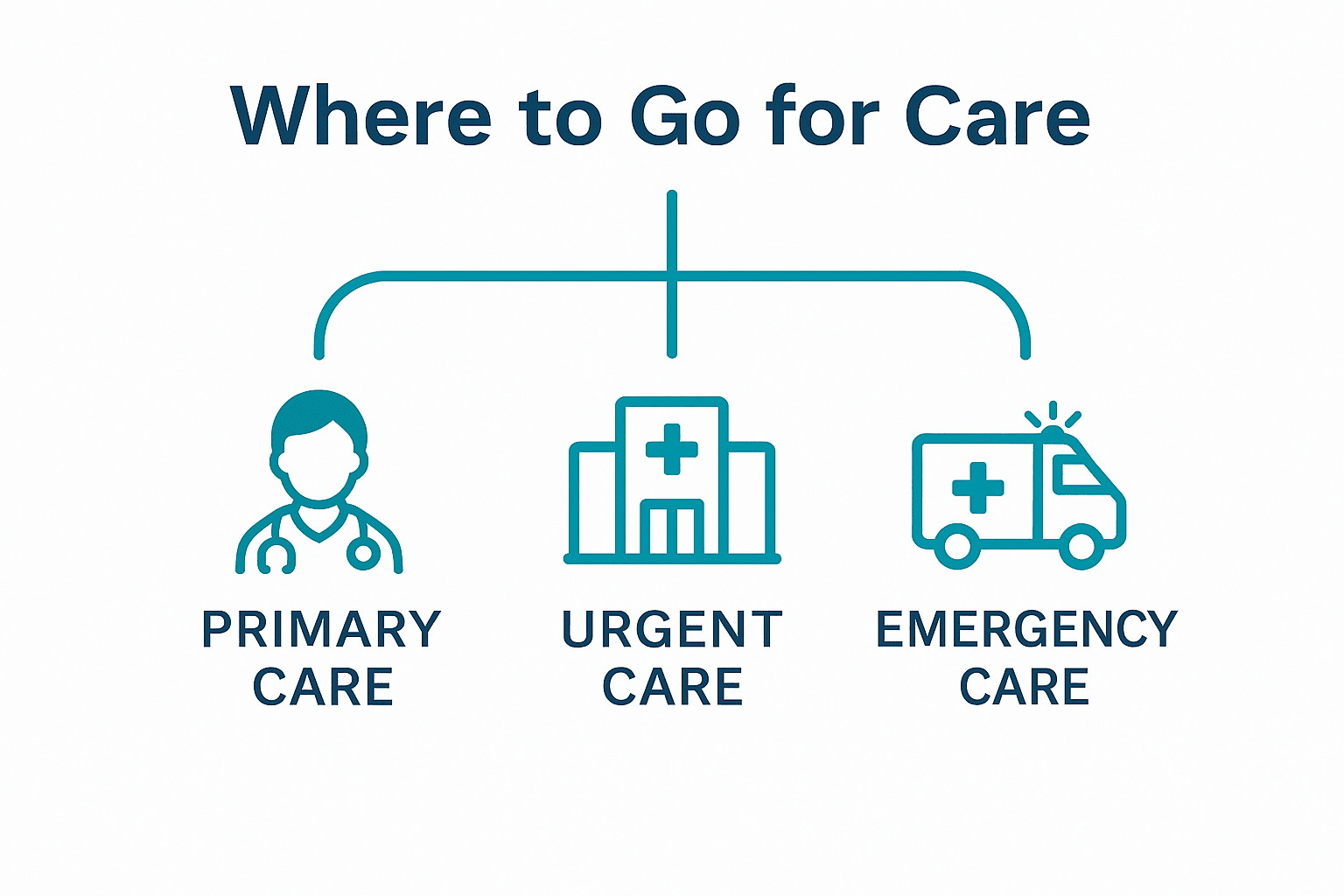
When someone in your family suddenly feels ill or gets injured, your instinct may be to find help fast. But in that moment, it is not always easy to know where to start. Should you head to the emergency department? Try an urgent care clinic? Call your primary care provider? Or connect virtually through telehealth?
Each option serves a different purpose—and choosing the right one can save you time, reduce your costs, and help you get the right care faster. Choosing the right location can also help preserve emergency department resources for patients with serious or life-threatening conditions.
In 2025, Providence Sacred Heart Medical Center experienced nearly 60,000 visits to the emergency department. While many visits involve true emergencies, some conditions can be safely treated in urgent care clinics, primary care offices, or through virtual care.
Here’s how to make the best choice for you or your family.
Emergency Care: For Life-threatening Situations
Some symptoms require immediate medical attention. In those moments, calling 911 or going straight to the emergency department is the safest option.
 Some symptoms require immediate medical attention. In those moments, calling 911 or going straight to the emergency department is the safest option.
“Emergency departments specialize in treating conditions that threaten life or could lead to permanent harm, conditions where minutes matter,” said Dr. Dan Getz, chief medical officer at Providence. “When those symptoms are present, the emergency department is always the right place to go.”
He adds, “Patients should never hesitate to come to the emergency department when something feels serious or frightening. However, when non-emergent conditions are treated at an urgent care or clinics, emergency teams can stay focused and ready to deliver rapid care to those with the greatest need.”
Emergency care is designed for:
• Chest pain or difficulty breathing
• Symptoms of stroke (slurred speech, sudden numbness, tingling, weakness, dizziness or vision change)
• Severe injuries, trauma, or major accidents
• Sudden, severe abdominal pain
• Uncontrolled bleeding
• Seizures
• Serious burns
• Loss of consciousness
• High fever in infants (especially under 3 months of age)
• Infants who are listless or not feeding
• Heavy bleeding during pregnancy
• Poisoning or suspected overdose
• Eye injuries
• Allergic reactions causing diffuse rash, shortness of breath, or lightheadedness
• New severe headache (think worst headache of your life)
• Pervasive thoughts of wanting to hurt yourself or others
Infants, older adults, and people with chronic or complex conditions may also need emergency evaluation since their health can change quickly.
Emergency departments prioritize patients based on medical need, not arrival time, so patients with life-threatening conditions are evaluated immediately. If you are unsure whether symptoms are serious, it is always appropriate to seek emergency care. Emergency departments are open 24 hours a day/7 days a week and prepared to evaluate all patients.
Urgent Care: When It’s Uncomfortable, But Not Dangerous

Providence Urgent Care is a great choice when you need prompt attention, but the situation is not life threatening. These are issues that cannot wait for an appointment but are not emergencies. Urgent care clinics offer extended hours, including evenings and weekends, and do not require appointments.
Visit urgent care for:
• Severe sprains, strains, or possible fractures
• Earaches and sore throats
• Mild to moderate stomach symptoms
• Rashes and minor skin infections
• Small cuts or wounds needing stitches
• Urinary tract infections
• Cold, flu or COVID like illness
“Urgent care serves patients who cannot quickly see their regular doctor for an injury or illness, but do not need to wait hours in the emergency department,” said Dr. Joshua Beers, division chief of urgent care at Providence. “We also aid primary care when a patient cannot see their patients on a same day or few days’ timeline."
If an urgent care provider determines that additional testing or emergency-level evaluation is needed, they will guide you to the right place.
If it’s the middle of the night and urgent care clinics are closed, the emergency department may be your only available option. When in doubt, it’s always better to err on the side of caution and seek help.
Urgent care, ExpressCare and Primary care clinics can treat many common issues more efficiently. These options are often quicker and more cost effective for patients. Most urgent care clinics have onsite labs, medications, and imaging services.
ExpressCare: For Minor Medical Needs When Primary Care Doctor Is Unavailable
Providence ExpressCare is designed for minor, everyday illnesses at quick, same-day appointments, as well as walk in access when available, staffed by nurse practitioners and physician assistants/associates. ExpressCare focuses on convenient access to care.
Visit ExpressCare for:
• Cold, flu, and minor illnesses
• Rashes
• Sports Physicals
• UTIs
• Minor injuries, including lacerations
• Care Navigation
ExpressCare offers same-day appointments, and walk-ins when available, 7 days a week.
ExpressCare Virtual: Fast Care Without Leaving Home
Telehealth has become one of the most convenient ways to get timely care—especially for people who have transportation challenges, prefer to avoid exposure to seasonal viruses, and rural areas.
 Telehealth has become one of the most convenient ways to get timely care—especially for people who have transportation challenges, prefer to avoid exposure to seasonal viruses, and rural areas.
Providers through Providence ExpressCare Virtual can evaluate many concerns through a secure video visit, including:
• Common colds and minor illnesses
• Allergies
• Simple skin conditions
• Eye infections, irritations, or other concerns
• Gastrointestinal issues such as nausea, diarrhea a or vomiting
• Minor pains, strains, or insect bites
• Care Navigation
If you need in person testing or imaging, your provider will direct you to the appropriate location.
Primary Care: Your Best Starting Point for Most Issues
Your primary care provider knows your history, medications, and long term health goals better than anyone. They are often the best place to begin for non urgent concerns or symptoms that develop gradually.
Many Providence Primary Care clinics hold same day or next day appointments for more urgent needs.
Primary care is ideal for:
• Cold/flu symptoms
• Minor burns or injuries
• Medication adjustments
• Chronic condition management
• Preventive care and screenings
• Follow up after illness or ER visits
• Vaccinations

Building an ongoing relationship with your provider helps ensure your care is personalized and comprehensive.
“Having a primary care provider is necessary in today’s healthcare world,” said Dr. Trace Julsen, Providence division chief primary care. “This is not only to provide general care but also to guide patients to appropriate surgical and specialty care.”
“Guided by Providence’s mission, our Primary Care teams are dedicated to caring for the whole person,” said Alicha Curry, Providence director of clinic operations. “Through our efforts to expand access and our commitment to delivering compassionate, high quality care, we create an experience where patients feel welcomed, supported, and confident that Providence Medical Group Primary Care is a trusted place to turn for their health needs.”
Care Close to Home
Providence serves communities across the Inland Northwest with a connected network of primary care clinics, urgent care centers, specialists, and emergency departments. No matter where you begin, our teams collaborate to make sure you get the right level of care—without unnecessary delays or added stress.
With MyChart, you can stay connected to your care team by viewing test results, sending messages, scheduling appointments, and managing your health anytime.
We Remain Committed to Our Mission
At Providence, our mission is to care for everyone, especially those who are most vulnerable. Providence has financial assistance programs and can help patients navigate care.