Lung Care Program
For more than 60 years, Providence Heart Institute of Spokane has taken a leading-edge approach to heart and lung care. Because the heart and lungs are closely connected, we have experts who specialize in cardiothoracic procedures, which treat conditions in the chest, as well as thoracic experts who focus more exclusively on lung-related conditions in adults and children.

Our Approach to Lung Care
Your personalized treatment plan depends on unique factors, from your diagnosis to your personal preferences. Our spectrum of care includes support services – such as registered dietitians, counselors and chaplains – to care for every aspect of your health.
If you have a cancer diagnosis, your care team receives input from our multidisciplinary tumor boards and Lung Nodule Clinic, where regional experts from across the Inland Northwest discuss patient cases and make sure you’re getting the very best, timely treatment.
Lung Conditions We Treat
We treat a wide range of lung conditions, from abscesses due to lung infections to lung cancer. Lung cancer is a type of thoracic cancer that begins in the lungs. It is often caused by exposure to tobacco, though there are rising numbers of patients diagnosed with lung cancer who have never smoked or been exposed to secondhand smoke.
- Achalasia
- Emphysema
- Esophageal Cancer
- Hiatal Hernia
- Hyperhidrosis
- Gastroesophageal Reflux Disease (GERD)
- Lung Cancer
- Lymphoma
- Mesothelioma
- Myasthenia Gravis
- Pneumonia
- Schwannoma
- Thoracic Cancer
- Thoracic Outlet Syndrome
- Thymic Cancers

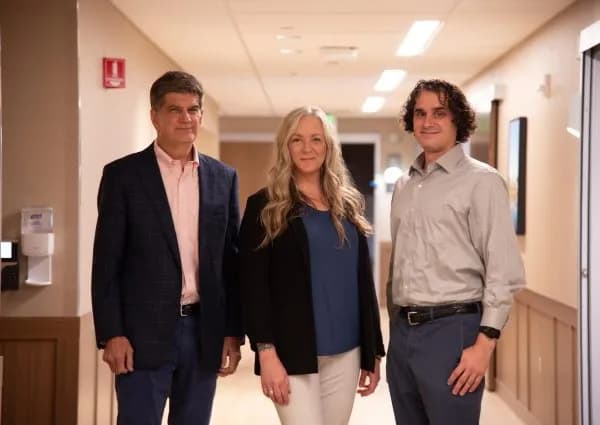
Meet Our Heart Care Team
At Providence Heart Institute of Spokane, you’ll be cared for by a tightly connected group of specialists who bring deep expertise and a personalized approach to treatment, prevention, and long-term wellness. Our experts work collaboratively to support your health through every stage of care.
Testing & Diagnostics
The earlier your lung condition is diagnosed, the sooner you can begin treatment – which often leads to better outcomes. Our region-wide coordinated care ensures you’re diagnosed as soon as possible, and your treatment begins more quickly. We coordinate care between your specialists and your primary care provider – all within Spokane – so you won’t wait long to see your doctor.
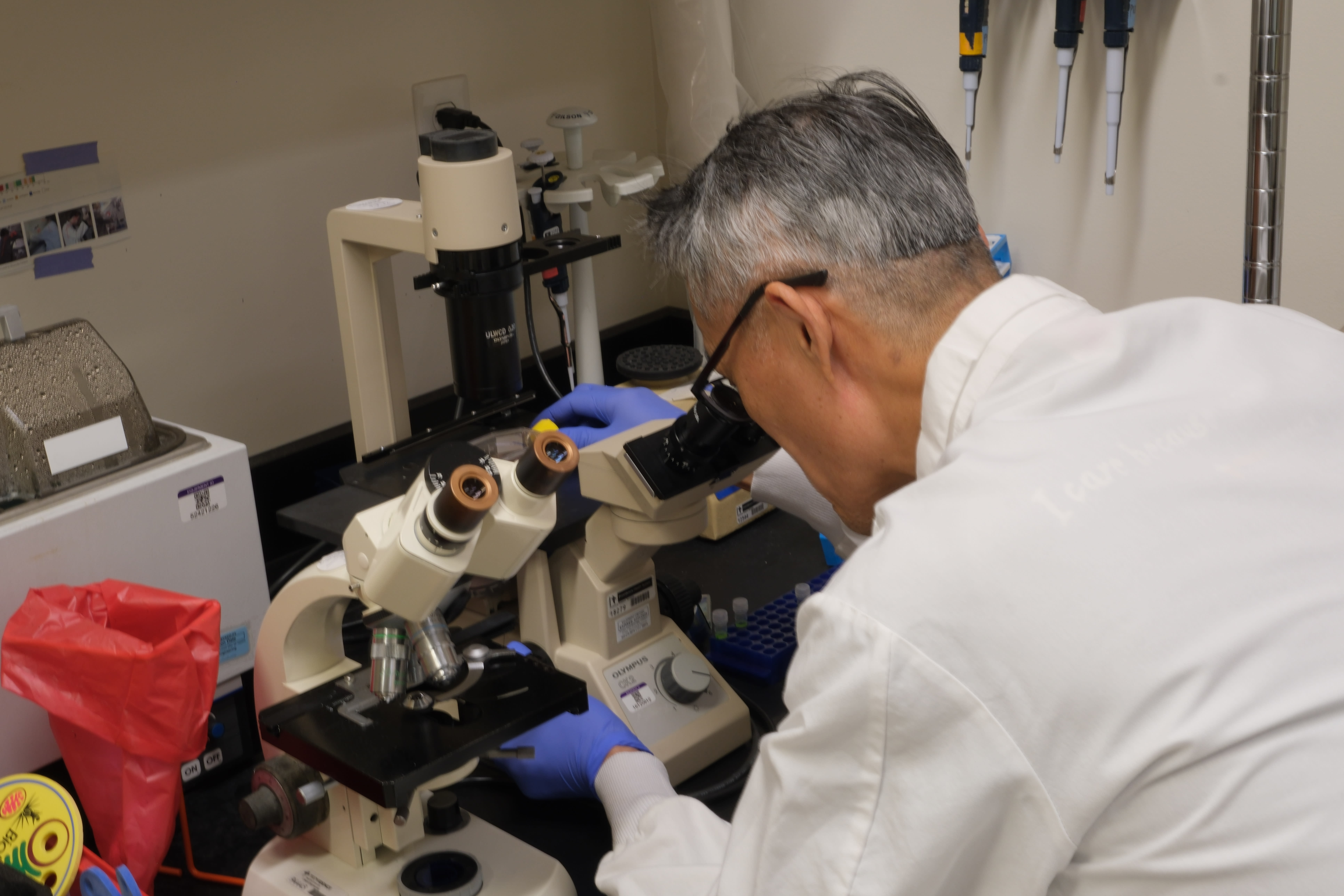
Gene expression assays include techniques that detect the activity of different genes, including which genes are “on” and which are “off.” Assays can help researchers determine a diagnosis, understand cell activity and look at the effects of a drug.
An MRI is an advanced digital imaging method that uses a harmless magnetic field and radio waves to produce detailed pictures of the body.
A PET/CT scan provides high-quality and detailed images of where disease tissue ends and where healthy tissue begins. The scanner also detects metabolic activity of cells, which helps physicians understand changes at the cellular level that could be early indications of cancer.
Advanced Treatments for Lung Conditions
We offer a wide range of advanced treatment options for our patients with lung conditions – from diagnosis to post-treatment support. But your care begins well before treatment. We take care of you as soon as you walk through our doors. Your multidisciplinary care team works with you to design an individualized care plan, which may include one or more of the following:
Chemotherapy is the systemic use of cytotoxic chemicals to kill cancer cells. Today there are many medications (e.g., biological medications, immune treatments, targeted therapies) that do not fit the classic definition of chemotherapy yet are often included in this category.
Immunotherapy boosts or restores the body’s natural defenses. Cellular therapies like autologous CAR T-cell treatment, stem cell transplants and biologic therapies use your own cells to fight disease and support recovery.
Genomic tumor profiling for lung cancer is a type of molecular testing that looks for specific genetic changes or mutations, common in cancer tumors. Identifying a specific mutation can tell us more about your cancer and help us target your treatment based on what we know about that mutation.
Lung lobectomy is the surgical removal of one of the five lobes of a lung. It can be performed with a traditional thoracotomy, or with a less invasive treatment option called video-assisted thoracic surgery (VATS).
Molecular targeted therapy works by blocking the specific proteins or genetic changes that help cancer grow. Unlike chemotherapy or radiation, which affect both healthy and cancerous cells, targeted therapy is designed to focus just on the cancer — reducing side effects and helping protect healthy tissue.
Open lung wedge resection is a surgical procedure involving the removal of a tumor from the lung through a large incision in the chest, during which the ribs are spread apart.
Pneumonectomy is a surgical procedure to remove an entire lung.
Segmentectomy is a surgical procedure to remove a part of an organ, such as a lung, liver or breast, that contains a tumor.
Patient Resources & Support


Awards and Recognition

U.S. News & World Report - High Performing Hospital in Lung Cancer Surgery (2026-27)

American College of Surgeons (ACS) - Commission on Cancer Accredited Program