Cardiothoracic Surgery Center
For decades, our doctors at Providence Heart Institute of Spokane have made heart surgeries less invasive, resulting in better outcomes for our patients. We bring together the best teams, technology and resources to offer the most advanced surgical treatments for the heart, chest and lungs in the region. If you or your loved one needs major heart surgery, you’re in the right place.

Expertise You Can Trust
Whether you’ve been diagnosed with severe heart disease, lung cancer, esophageal cancer or a chest mass, we’re here to help. Our board-certified cardiothoracic surgeons have the expertise to treat all non-cancerous and cancerous heart and thoracic conditions in patients of all ages. When you need a major surgery, it’s important to find an experienced team you can trust. Our cardiothoracic surgeons perform hundreds of surgeries each year.
We’ve got the largest robotic thoracic program in the region and one of the few programs in the nation to specialize in robotic mitral valve surgery and other minimally invasive surgical techniques with a unique cardiac focus.
Gaining Time After Transplant
Working across specialties, our doctors are always investigating new treatments in cardiology and cardiothoracic surgery. Every day, we learn more about how the heart works and ways to help prevent or treat heart disease – so patients like Greg Soumokil receive the best care possible and a second chance.
Our Services, Conditions and Treatments
Services
- Thoracic Services
Conditions
- Cardiac Amyloidosis
- Coronary Artery Disease
- Heart Infection
- Heart Valve Disease
- Tricuspid Valve Disease
Treatments
- Coronary Bypass Surgery
- Minimally Invasive Heart Valve Surgery
- Mitral Valve Repair And Mitral Valve Replacement
- Robotic Cardiac Surgery
- Transcatheter Aortic Valve Replacement (TAVR)
- Transcatheter Mitral Valve Repair (TMVR)
- Tricuspid Valve Repair And Replacement
- Valvuloplasty
Insurance Accepted
This information provides an overview of accepted insurance plan types for new patients. Coverage may vary by specific plan. Please verify with your insurance provider before visiting us for care. Established patients should call to verify insurance acceptance.
- Aetna
- Aetna Medicare Advantage HMO/PPO
- Aetna PPO
- Asuris Northwest Health Medicare Advantage PPO
- Asuris Northwest Health PPO
- Asuris Northwest Health TRIWEST
- Blue Cross Of Idaho Health Service Medicaid
- Blue Cross Of Idaho Health Service Medicare Advantage
- Blue Cross Of Idaho Health Service PPO
- Cigna Medicare Advantage HMO/PPO
- Cigna PPO
- Coordinated Care Medicaid
- Evernorth PPO
- Ferry County Jail
- First Choice PPO
- First Health-Coventry PPO
- HealthSmart (Interplan) PPO
- Humana
- Humana HMO
- Humana PPO
- Interwest Health PPO
- Kaiser
- Kaiser Medicare Advantage
- Molina Medicaid
- Molina Medicare Advantage
- Naphcare
- Pacific Medical Center TRICARE
- Pacific Source Health Medicare Advantage-HMO
- Pacific Source Health PPO
- Premera
- Premera, Medicare Advantage
- Providence Health Plan
- Providence Health Plan Medicare Advantage-HMO
- Regence Blue Shield Of Idaho Medicare Advantage PPO
- Regence Blue Shield Of Idaho PPO
- Regence BlueShield Of Washington Medicare Advantage HMO/PPO
- Regence BlueShield Of Washington PPO
- State Of Washington Department Of Corrections
- Stevens County Sheriff'S Office
- TriWest - Tricare
- United Behavioral Health Medicaid* * Medicaid product only for Idaho
- United Behavioral Health Medicare Advantage
- United Behavioral Health PPO
- United Healthcare
- United Healthcare Medicaid,
- United Healthcare, Medicare Advantage
- Wellcare Medicare Advantage-HMO
- Wellpoint Medicaid
- Wellpoint Medicare Advantage
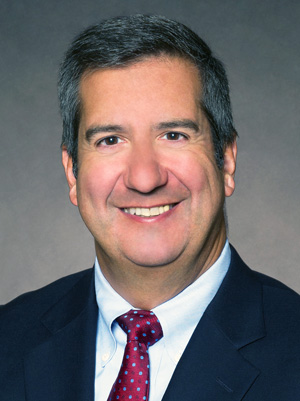
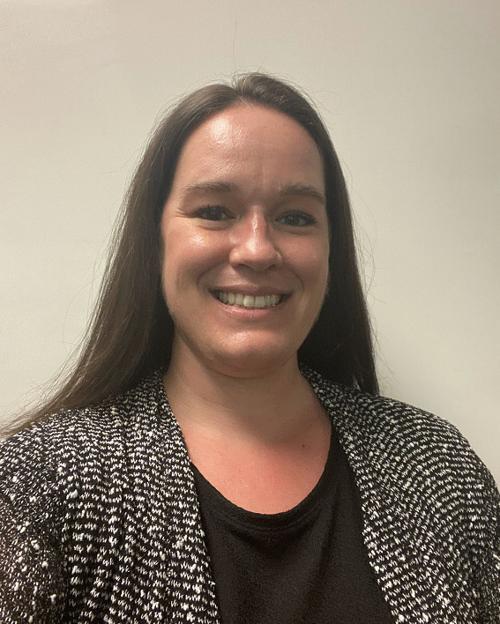
Meet the Team




Testing & Diagnostics
Our cardiologists use advanced testing and diagnostic tools to diagnose and monitor your heart condition. By taking a closer look at your heart and how it functions, we can make earlier, more accurate diagnoses for better treatment outcomes.
At Providence, we believe that healthy living starts with a healthy heart. When noninvasive heart screening methods, such as electrocardiograms, yield inconclusive results the next best step in treatment is a coronary angiography, or an angiogram for short.
This diagnostic procedure uses contrast dye and X-ray imaging to help your care team see any potential blockages in the heart.
Blood tests give doctors more information about your health, including your risk for common conditions like diabetes and heart disease. Based on your needs, your doctor orders tests that analyze different components in your blood, such as:
- Complete blood count (CBC)
- High-density lipoprotein (HDL) or “good cholesterol”
- Low-density lipoprotein (LDL) or “bad cholesterol”
- Total cholesterol
- Triglycerides
During a blood test, the phlebotomist inserts a needle into your vein – usually near the inside elbow. They draw blood, which usually takes about a minute, and send the samples to the lab for analysis. Your doctor discusses the results with you and determines how it might impact your treatment and care.
A cardiac MRI is a noninvasive way for your care team to obtain detailed images of your heart using MRI technology to help them make a diagnosis. It can show problems with heart structure, abnormal blood flow or tissue damage.
CT angiography combines a CT scan with an injection of contrast dye to enhance the images. The injection is administered prior to the scan and allows your care team to see blockages or narrowing of the blood vessels to help them make a diagnosis.
Diagnostic procedures, like echocardiograms, allow our doctors to more accurately diagnose and better treat cardiovascular conditions.
Echocardiography uses ultrasound technology to produce detailed images of the heart’s valves and chambers. Through a monitor, your doctor can evaluate how the heart is pumping blood in real time.
An ECG/EKG is a test that uses electrodes to record electrical signals from your heart. The electrical signals detect your heart rate and rhythm and help your doctor accurately evaluate the heart’s function.
Advanced Cardiothoracic Surgery
We offer many advanced heart surgeries. These are just a few of the procedures we perform every day – using minimally invasive methods whenever possible for a faster, easier recovery. We also offer cardiothoracic surgery for congenital heart disease, including advanced treatments for kids, teens and adults.


Cardiothoracic Surgery Options
Bicuspid valve repair or replacement treats a common congenital heart defect – instead of three flaps, the aortic valve only has two flaps, which causes issues with blood flow to the heart. To improve heart function, your surgeon may repair your aortic valve or replace it.
Bicuspid valve repair is a minimally invasive surgery that often helps treat leaky aortic valves. Your surgeon reshapes the valves, so they open and close fully.
During bicuspid valve replacement, your surgeon removes the valve and replaces it with a biological or mechanical valve. This procedure can be an open surgery or a transcatheter aortic valve replacement (TAVR), which is less invasive.
Bloodless heart surgery is designed to prevent loss of blood, eliminating the need for blood transfusions. In traditional surgical procedures, surgeons attempt to minimize bleeding as it occurs. Bloodless surgery makes use of advanced electrocautery technology to promote clotting, which limits blood loss even more and helps control bleeding throughout the surgical procedure.
You may need heart valve repair or replacement surgery if any of your heart valves are damaged or not working properly. Heart valve repair can help with valves that have minor tears, leaks or narrowing.
Heart valve replacement treats more severe damage and involves removing the valve and replacing it with either a biological valve made of tissues or a mechanical valve made of other durable material.
Heart valve repair or replacement can be an open surgery or a minimally invasive procedure depending on factors like the complexity of the patient’s condition and the state of their overall health.
Robotic cardiac surgery uses advanced robotic technology to help surgeons perform certain heart procedures through smaller incisions than traditional open-heart surgery. This minimally invasive approach may reduce pain, scarring and recovery time while delivering the same high level of surgical precision. Our experienced heart team evaluates each patient individually to determine the most appropriate treatment plan and provide personalized care every step of the way.
Septal myectomy is open-heart surgery that helps treat hypertrophic cardiomyopathy, which causes thickening of the heart muscle. The procedure involves removing the thickened heart tissue to increase blood flow through the heart.
Similar to endovascular aneurysm repair (EVAR), thoracic endovascular aortic repair (TEVAR) is a minimally invasive procedure that helps treat aneurysms in the chest – specifically the aorta – and avoid open-heart surgery. Without treatment, an aneurysm can rupture a blood vessel, leading to a heart attack or stroke. TEVAR can also treat tears in the aorta’s lining, called dissection.
During the procedure, your surgeon moves a tube called a catheter through an artery in your leg or pelvis to access your aorta. Then, they place a metal and mesh-lined tube called a stent graft into the blood vessel to reduce pressure and provide extra support.
What to Expect
Know what to expect before, during and after your heart surgery at the Providence Cardiothoracic Surgery Center — from your first pre-op instructions through recovery and cardiac rehab.
Patient Resources & Support


Awards and Recognition

U.S. News & World Report - High Performing Hospital in Lung Cancer Surgery (2026-27)

U.S. News & World Report - High Performing Hospital in Abdominal Aortic Aneurysm Repair (2026-27)

U.S. News & World Report - High Performing Hospital in Aortic Valve Surgery (2026-27)
Cardiothoracic Surgery Center
62 W 7th Ave, Suite 320, Spokane, Washington 99204

Map & Directions
Frequently Asked Questions
Not necessarily. Surgery is not the only way to treat heart disease. Most people don’t get heart surgery unless their condition is severe and other treatments haven’t worked.
Your treatment plan may also include medication, healthy lifestyle changes or non-surgical procedures.
Recovery time after cardiothoracic surgery is different for everyone, depending on your heart condition, the procedure you received, your general health and other factors. Some people recover in as little as four weeks, while others require months.
Most patients spend at least a week in the hospital after surgery before recovering at home. Your doctor will let you know when it’s safe to return to normal activities, such as driving, lifting heavy objects or exercising.
Regular appointments with a cardiologist are essential to monitor your condition and make any needed adjustments to your treatment plan – even after a procedure. For pediatric patients, caregivers should be involved in coordinating and attending these appointments.